


Old money style is not about spending more money. It is about spending more wisely — and understanding that the most powerful thing a man can wear is restraint.
The term “old money aesthetic” has dominated style conversations for the past two years, but most men misunderstand it. It is not about wearing Ralph Lauren or driving a vintage car. It is about a fundamental approach to dressing — one that prioritises quality over quantity, longevity over trends, and confidence over attention-seeking.
The Core Principles of Old Money Style
1. Quality Over Quantity
The old money wardrobe has fewer pieces, but every single one is exceptional. A linen shirt that costs more but lasts ten years is always the better investment than five cheap shirts that fall apart after three washes.
2. Neutral Palette Always
Navy, white, cream, stone, camel, and forest green. These are the colours of a man who has never needed to shout to be heard. They mix effortlessly, they age gracefully, and they work in every context from morning coffee to sunset dinner.
3. No Visible Logos
This is the most important rule. Nothing says “new money” faster than a chest full of logos. The old money man wears his taste through the cut, the fabric, and the way the garment sits on his body — not through a brand name.
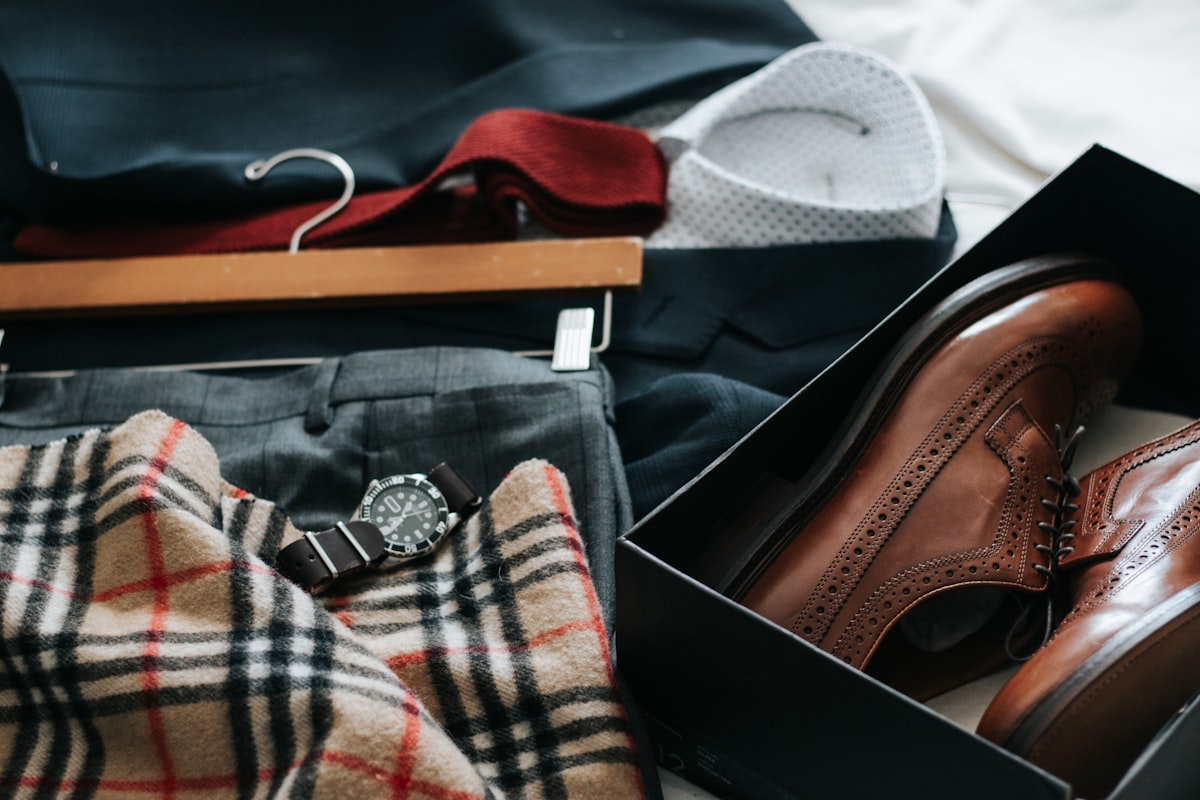
The Old Money Wardrobe Essentials
Every man who wants to master this aesthetic needs the same foundation: premium linen pieces for warm weather, well-cut knitwear for cooler evenings, and tailored separates that work across every occasion.
The linen set is perhaps the most powerful old money summer piece. It reads as a considered, intentional choice — the kind of outfit that suggests the wearer has been dressing this way for decades, not just since he saw it on social media.
How to Build the Look from Scratch
Start with a premium linen co-ord in a neutral tone. Add clean, minimal footwear. One watch, no rings unless they carry meaning. Hair that looks cared for but not styled. That is the complete picture — and it works everywhere.
Shop the Collection